
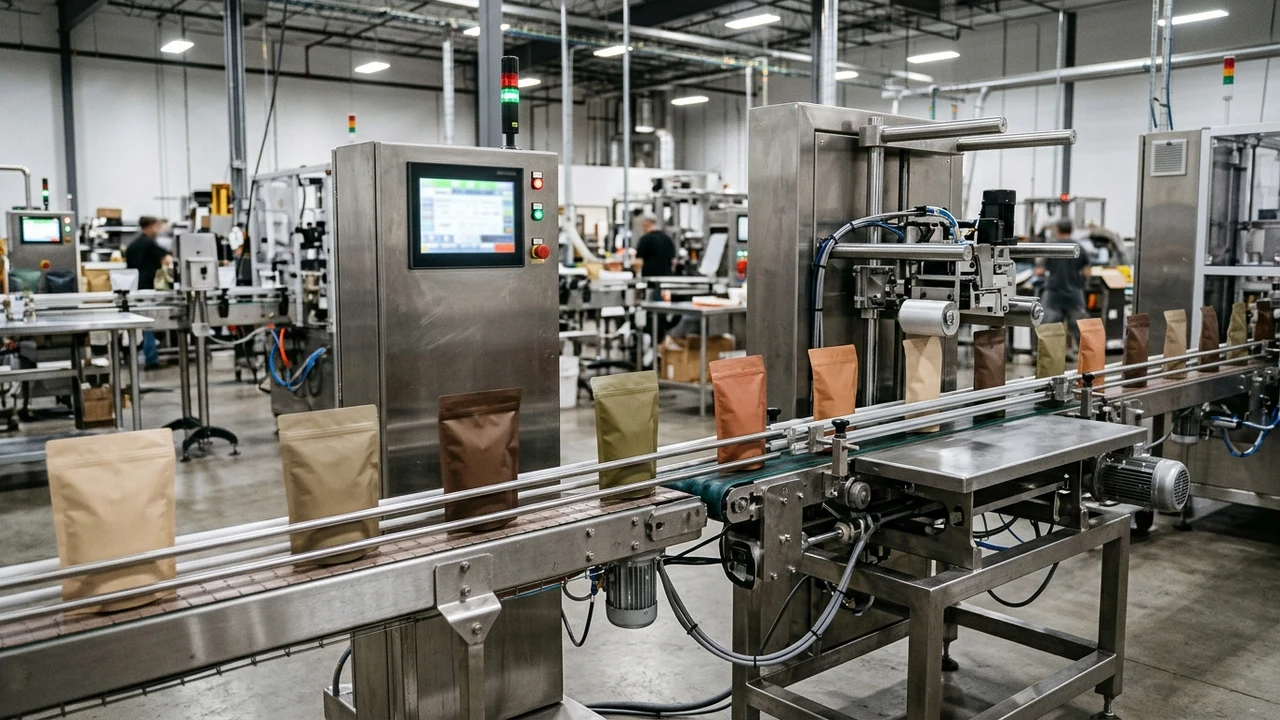
Average Weight System: Sample Size and Fill Tolerance
A live checkweigher reading is not that lot; an average weight system also tests each package against the deficiency limits for that nominal quantity.
Find the measurement principle, selection comparison or verification procedure your line needs.
A live checkweigher reading is not that lot; an average weight system also tests each package against the deficiency limits for that nominal quantity.
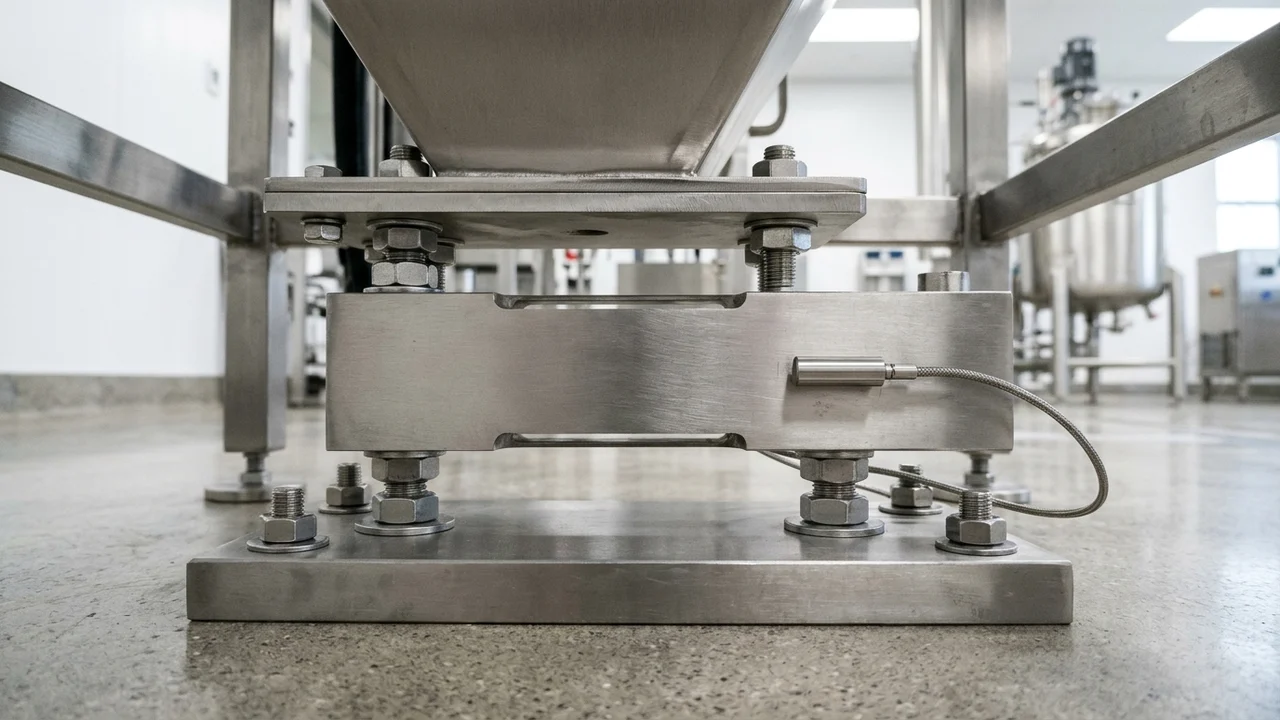
Compare load cell zero drift and span drift across operating temperatures, compensated vs working ranges, and six-wire sense wiring.
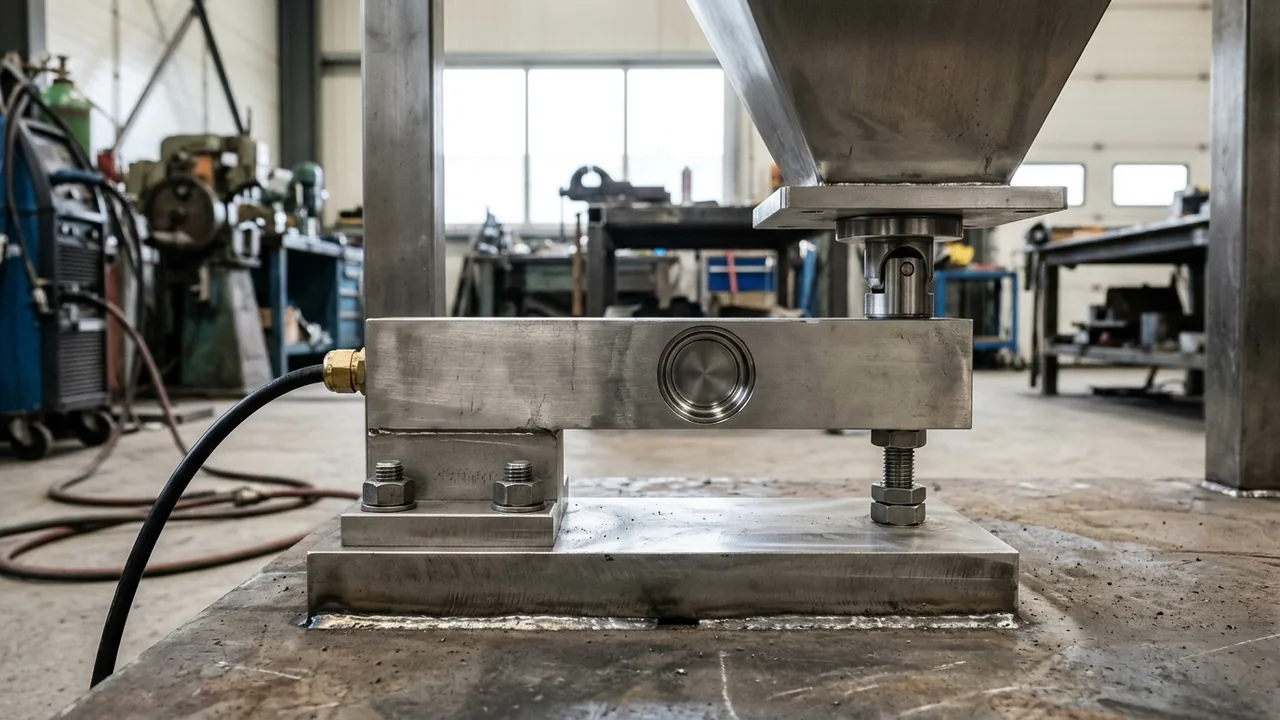
Inspect load cell mounting baseplates, fastener torque, vertical overload stop clearance, and horizontal side-load restraints before recalibrating a scale.
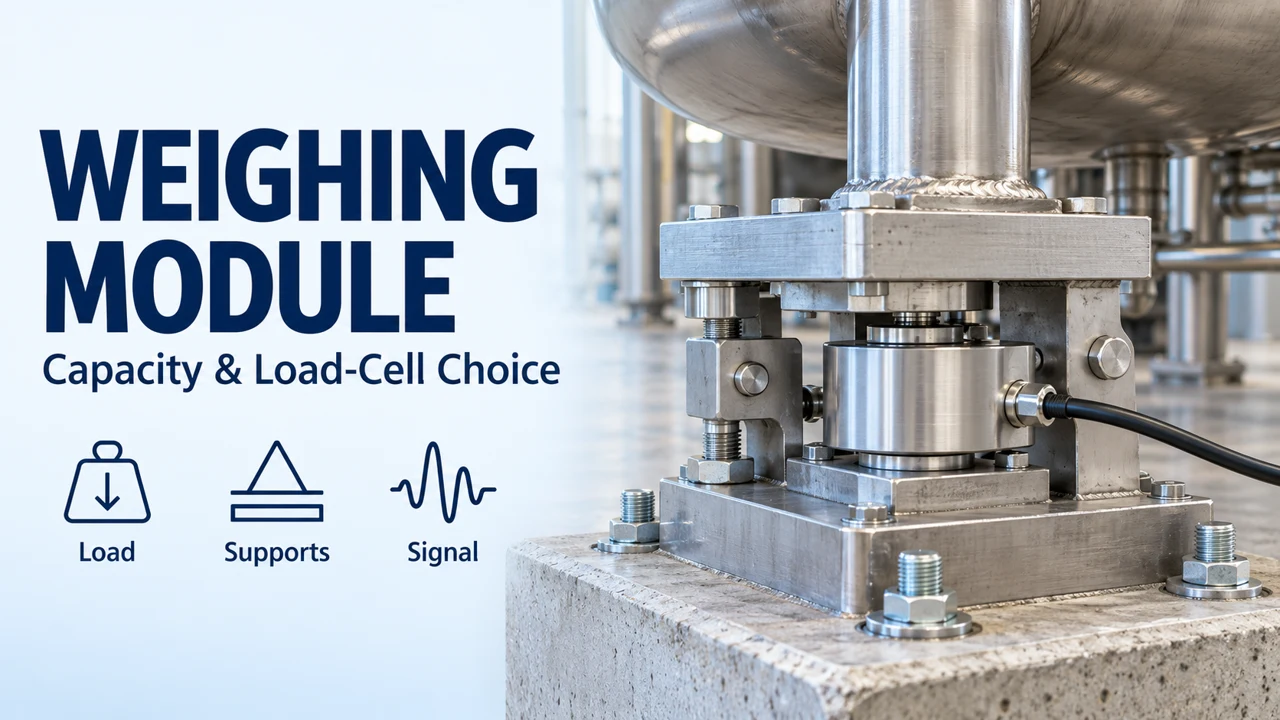
Choose a weighing module or bare load cell: review hopper load cell capacity, support loading, mechanical features and the controller signal check.
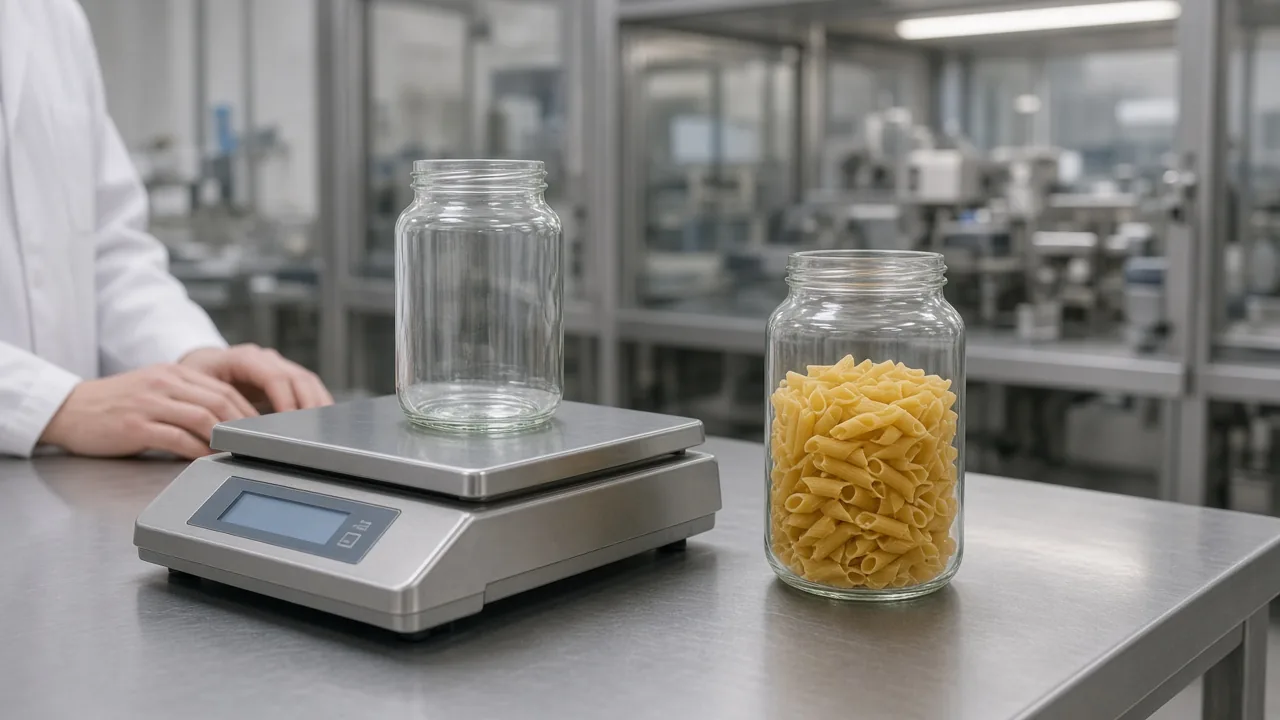
Separate zero, measured tare, and preset tare on a packaging scale, then take net as gross minus the tare in effect.
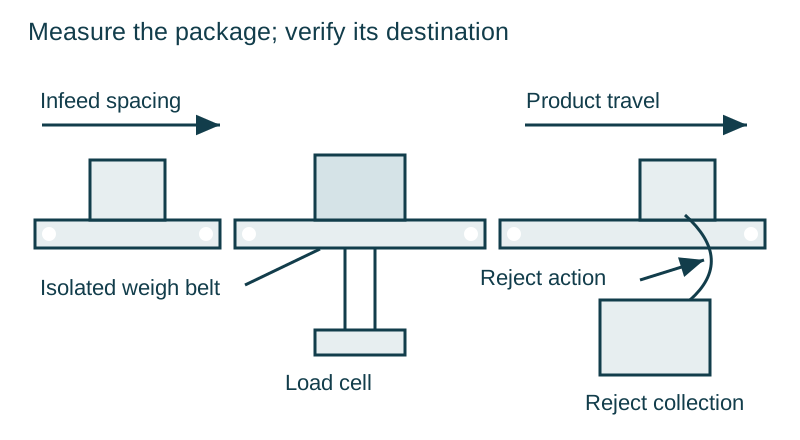
Specify a checkweigher around the package, the moving measurement, the reject mechanism and the records needed to verify each decision.
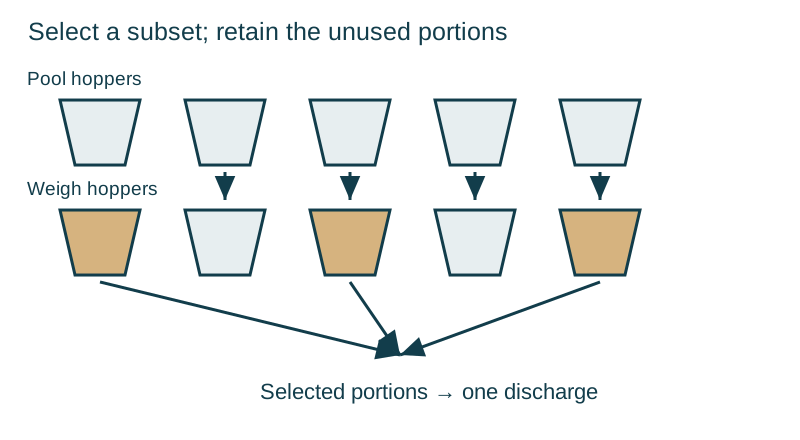
Connect head count and combination mathematics to feeder balance, fragile or sticky products, and complete discharge before the VFFS sealing jaws close.
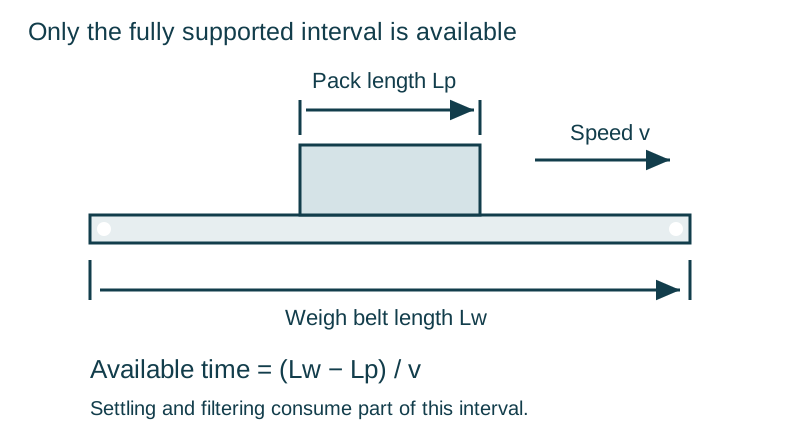
Size the weighing interval from belt and product geometry, separate static calibration from dynamic correction, and verify air-jet or pusher rejection.
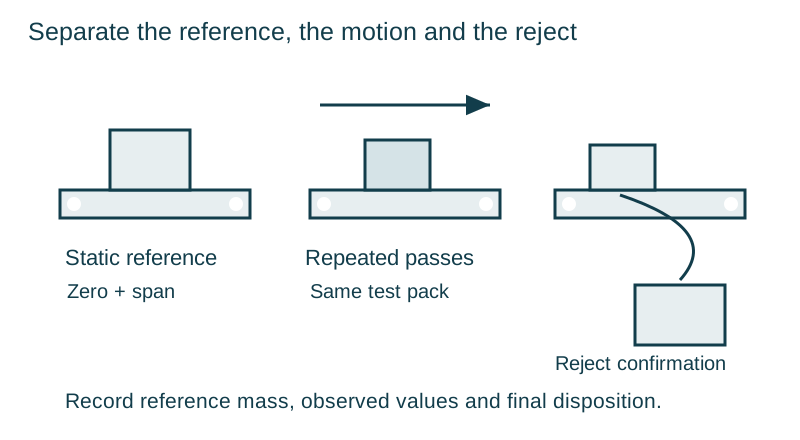
Keep calibration, adjustment and routine verification distinct, then link reference weights, repeated product passes and reject checks in one record.
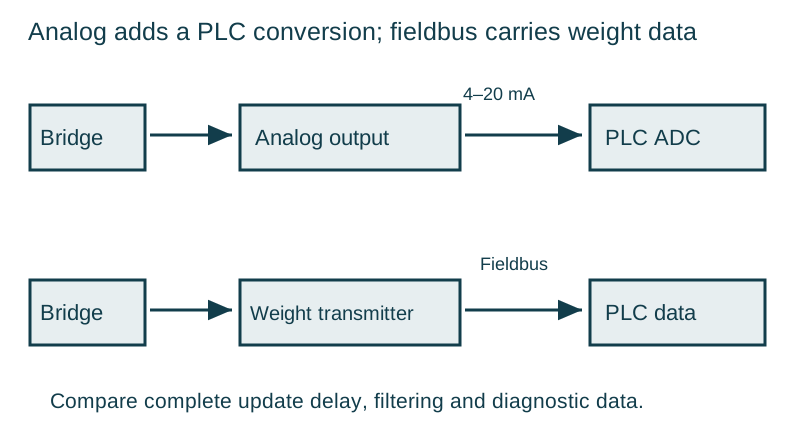
Compare analog and digital weighing interfaces using complete response delay, diagnostic access, interference control and coarse-to-fine filling behaviour.
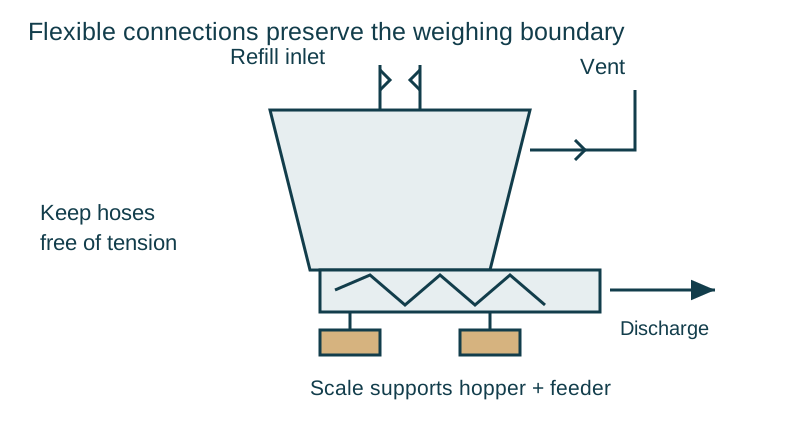
Trace mass-loss-rate control through normal feeding, automatic refill and recovery, then diagnose pressure, venting and flexible-connection forces.
Diagnose a multihead weigher by separating supply, unstable measurements and incomplete discharge, then verify the correction at the final package.
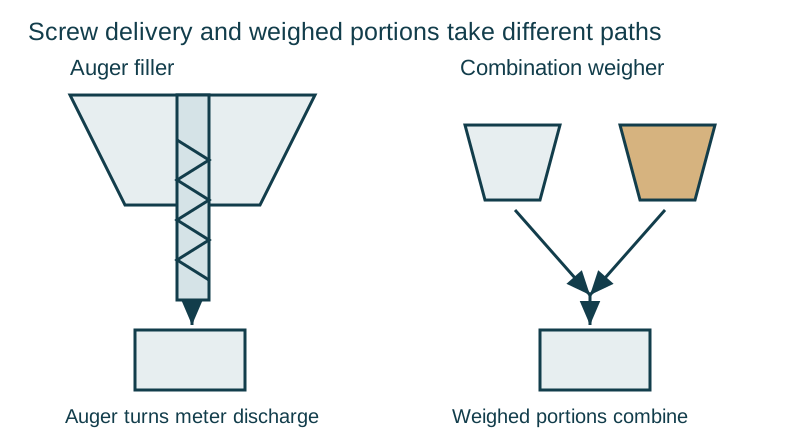
Compare multihead and auger filling through particle behaviour, bulk density, dust, damage and the weight feedback each installation uses.
Follow product from the dispersion table through pool and weigh hoppers, then coordinate the selected combination with the packaging machine.
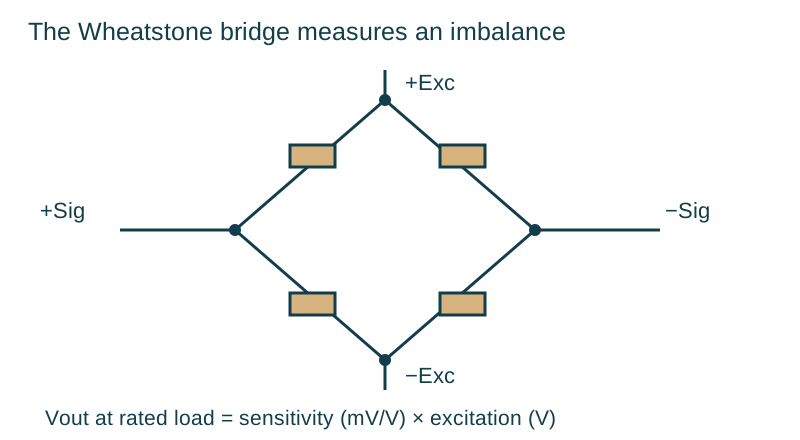
Calculate bridge output from excitation and rated sensitivity, trace four-wire and six-wire connections, and protect the load cell from mechanical overload.
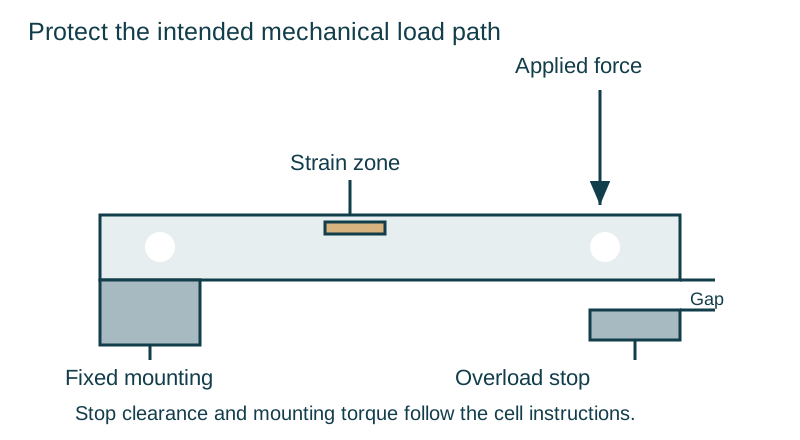
Understand the mechanical strain, bridge signal and installation conditions behind a packaging load cell, with a practical sequence for fault isolation.
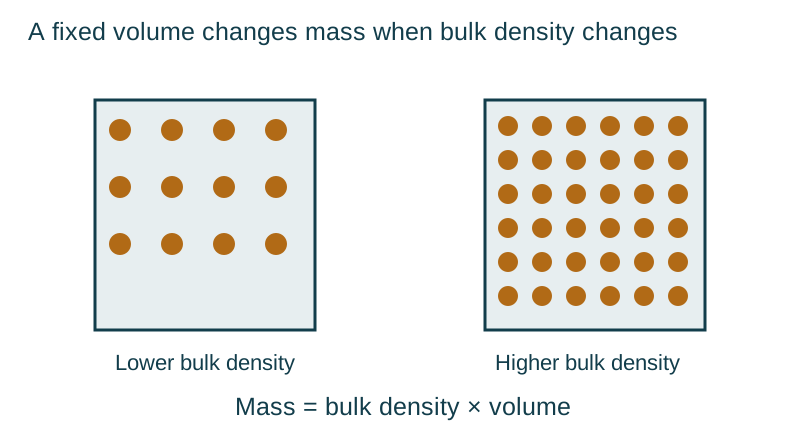
Identify whether a filler controls displaced volume, delivered mass or mass flow, then compare density sensitivity, feedback delay and acceptance tests.